
Affect vs. Effect: How to Use Each Word Correctly
Affect is usually a verb meaning to influence; effect is usually a noun meaning the result. Learn the rule, the exceptions and memory tricks.
Updated 10 min read
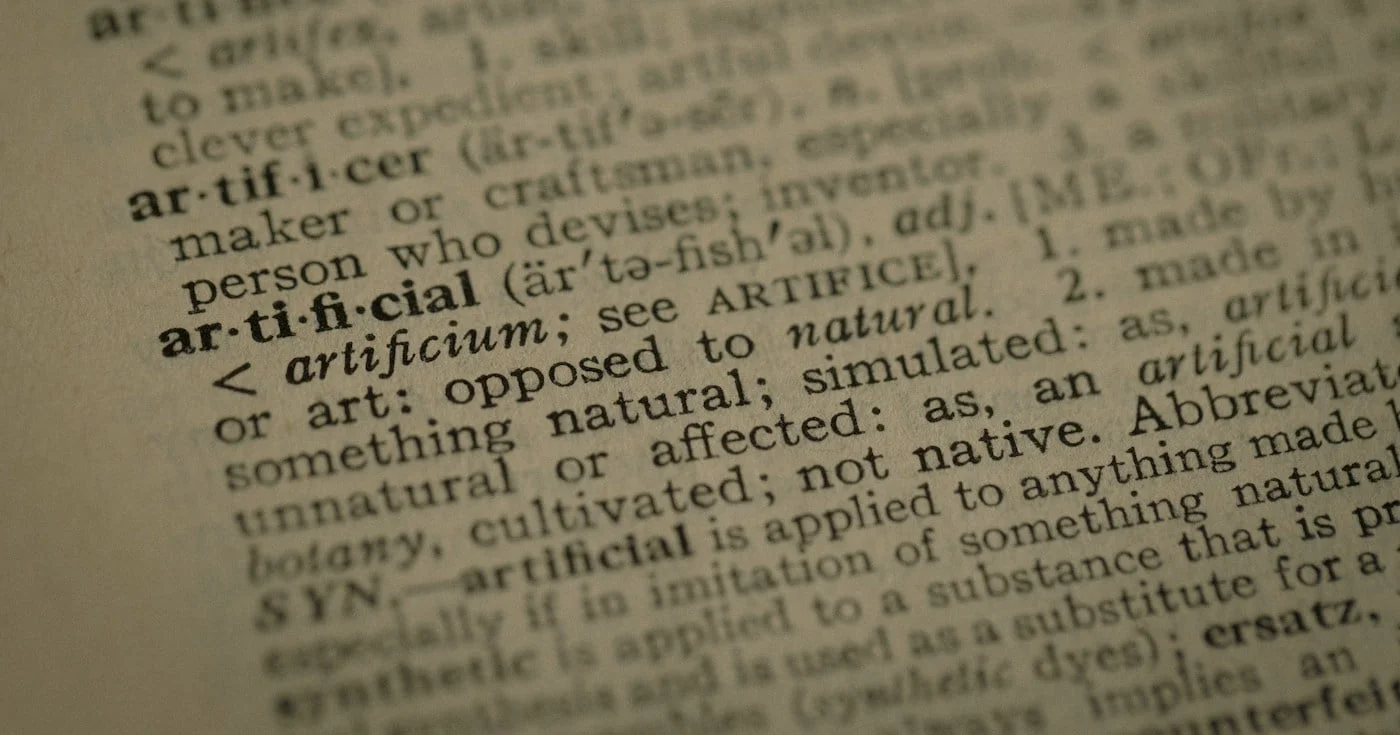

Affect is usually a verb meaning to influence; effect is usually a noun meaning the result. Learn the rule, the exceptions and memory tricks.
Affect is usually a verb that means to influence, and effect is usually a noun that means the result. Merriam-Webster sums it up: think of affect as the verb and effect as the noun, and "most of the time you'll be using the word you want."
Both words can swap roles in a few situations, and those edge cases trip up even experienced writers.
In this comparison, you'll see how affect and effect differ across part of speech, meaning, edge cases, common errors, and style guide guidance, so you can stop second-guessing yourself mid-sentence.
Feature | Affect | Effect |
|---|---|---|
Best For | Describing an action that influences something | Describing the result or consequence of an action |
Primary Part of Speech | Verb | Noun |
Core Meaning | To act on and cause a change in something | A result or outcome produced by a cause |
Rare Secondary Use | Noun (psychology: observable emotional expression) | Verb (to cause or bring about) |
Memory Anchor | A = Action | E = End result |
Common Pairing | Direct objects ("affected the outcome") | Adjectives ("positive effect", "dramatic effect") |
Style Guide Position | Always a verb in ordinary usage (Garner, via MLA) | Primarily a noun; verb sense means "to bring about" |

Affect is almost always a verb. Merriam-Webster defines it as "to produce an effect upon" someone or something, or "to act on and cause a change in" them. When you write that one thing affects another, you are describing a relationship between a cause and its target.
The word appears constantly in writing of all kinds: academic papers, news articles, fiction, business copy. You use it whenever you describe something exerting influence on something else.

Effect is almost always a noun. Merriam-Webster defines it as "an event, condition, or state of affairs that is produced by a cause," with result and outcome as synonyms. Where affect describes the action, effect describes what that action produces.
The two words are natural partners: if A affects B, B experiences the effect of A's action.
Effect shows up in everyday phrases: "side effect," "in effect," "take effect," "cause and effect." These idioms are a useful clue. If you can drop your word into one of those phrases and it still makes sense, you almost certainly want effect.
The fundamental difference is grammatical. Affect is a transitive verb, meaning it takes an object: something gets affected. Effect is typically a noun, appearing after articles (the, an, a), adjectives, and possessives.
You can test which word belongs in a sentence by substituting:
Winner: There is no winner here. Both words are right when used for their primary role. The category exists to give you a reliable test.
Affect describes the action of producing change, while effect describes the change itself. They refer to the same event from two different angles.
Consider: "Poor sleep affects your concentration. One effect of poor sleep is reduced focus." The first names the causal relationship and the second names the outcome, and both are correct.
The verb forms follow the same split: "affects" and "affected" are forms of the verb affect, while "effects" is usually the plural noun. "Effected" is the past tense of the rarer verb, as in Merriam-Webster's example "effected a settlement of the dispute."
Winner: Affect wins for describing dynamic, ongoing change. Effect wins for naming a discrete outcome. Pick based on what your sentence is doing, not which word sounds more formal.
Both words can switch parts of speech, and knowing when prevents embarrassing errors in professional writing.
When effect is a verb, Merriam-Webster defines it as "to cause or bring about (something)" or to accomplish it, and it is not interchangeable with affect in this role.
According to the MLA Style Center, "effect change" is correct when you mean creating change. To effect something is to bring it into existence; to affect something is to influence something that already exists.
Example: "The committee effected a settlement within 48 hours." (They brought it about.) If you wrote "affected a settlement," you would imply the settlement already existed and they only influenced it.
When affect is a noun, it refers to observable emotional expression. Merriam-Webster labels this sense psychology and lists "the facial expressions, gestures, postures, vocal intonations, etc., that typically accompany an emotion."
The APA Dictionary of Psychology defines "flat affect" as the total or near absence of appropriate emotional responses. You will also encounter "blunted affect" (dulled emotional responses) and "labile affect" (suddenly shifting emotional expression) in clinical notes and research papers.
A sentence like "His affect was flat throughout the interview" is correct in a clinical report. In general writing, it will confuse readers. Outside a psychology context, stick to "emotions" or "expression."
The noun sense also explains a grammar-checker trap. In 2022, the MLA Style Center showed Google flagging "affect" in this Adam Gopnik line: "It was a family tease, and, like all family teases, was well-meaning in its affect and sharp-edged in its effect."
Both words are nouns there, and both are right. Trust the rule, not the underline.
Winner: Effect (verb) is the more practically useful edge case for most writers. Knowing "to effect change" sets your writing apart from writers who avoid the phrase out of uncertainty.
Four mix-ups show up again and again in drafts, edited manuscripts, and blog posts:
Run the substitution test before you finalize: if "influence" fits, use affect. If "result" or "outcome" fits, use effect. That test alone catches most of these errors.
Winner: Affect is the safe default when your sentence needs a verb, and effect is the safe default when it needs a noun. Effect as a verb is correct but uncommon.
Five memory techniques for writers:
None of these tricks is perfect for every sentence. But combining RAVEN with the substitution test covers most cases.
Winner: RAVEN paired with the substitution test is the most reliable combination. Use RAVEN as a quick mental check, and reach for substitution when you're unsure.
Choose affect if you need a verb that describes one thing influencing or changing another. "The revision process affects the quality of your prose" is the typical use case.
Choose effect if you need a noun that names the result or consequence of an action. "The effect of cutting your draft by 20% is tighter prose" is the standard pattern. Use effect as a verb ("to effect change") only when you mean to create something, not merely to influence it.
When both words appear in the same sentence, the contrast shows each role clearly. "Poor editing affects your credibility, and the effect on reader trust can last for years" is a clean sentence.
Affect and effect are close enough to cause constant confusion and different enough to matter when precision counts. They trip up writers at every level, from first drafts to published copy.
The core rule (affect = verb, effect = noun) handles nearly every situation you will encounter. The edge cases (effect as a verb, affect as a noun in psychology) are worth knowing so you recognize them when they appear.
For more on building precise prose, see the most common grammar mistakes writers make and how grammar checkers can catch issues before they reach your readers.

Writing sprints, outlines, dictation and a daily habit: 10 techniques that help you write faster and draft more without losing quality.

A complete guide to copywriting: what it is, the 8 main types, core frameworks like AIDA and PAS, psychological triggers, and the 7 most common mistakes to avoi

8 essay hook types with examples from Didion, Orwell, and Zauner. Includes before/after revisions, hook-by-essay-type matching, and how to write your own.
Professional publishing supported by generous companies you should check out.


