


35 Badass Quotes to Make You Unstoppable
Writing as a career can be challenging. Here’s some encouragement.

Read

Tomas is the author of The Easy Mode, a practical book for builders who want leverage without burnout. He has written 1,000+ long-form articles since 2009 and has been published in Forbes, TIME, Fast Company and The Next Web. He now runs Epigraph Media, a premium publishing network for knowledge workers.
Writing as a career can be challenging. Here’s some encouragement.

There’s something we can learn from the 26th president of the United States of America.

Starting over is never easy. However, here are some quotes that will inspire you to pursue new beginnings as a writer.

There’s nothing more comforting than hearing the right words when you need it the most. Here’s a list of encouraging quotes that can brighten the spirits of a f

Sometimes life can get so busy that we forget to smile at people.

Life is beautiful.

Over 7% of the world’s population practice Buddhism which traditionally promotes the importance of personal spiritual development.

Where do you draw strength from? Below is a list of inspirational quotes that speak about strength. Hopefully they speak to you in ways you need the most.

J. K. Rowling is one of the most successful and accomplished British authors of this generation, who first had to experience a rough time before finding success

Mindfulness allows you to see the world as it is and be more compassionate to your environment celebrating the miracle of life. Here are quotes on mindfulness t

We’re introducing the new Best Writing, the all-in-one writing marketplace designed to elevate your writing career to new heights.
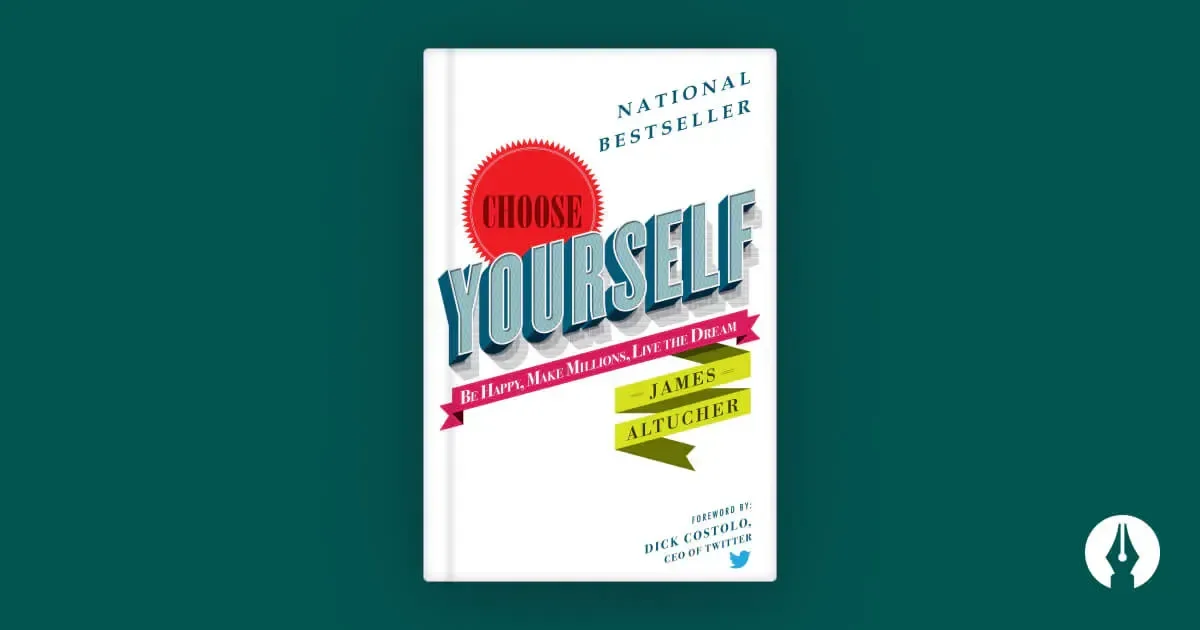
A manifesto to become a better person. Shocking, bold and unorthodox, this book will force you to think about yourself, who you are, and where you want to be.
Professional publishing supported by generous companies you should check out.


