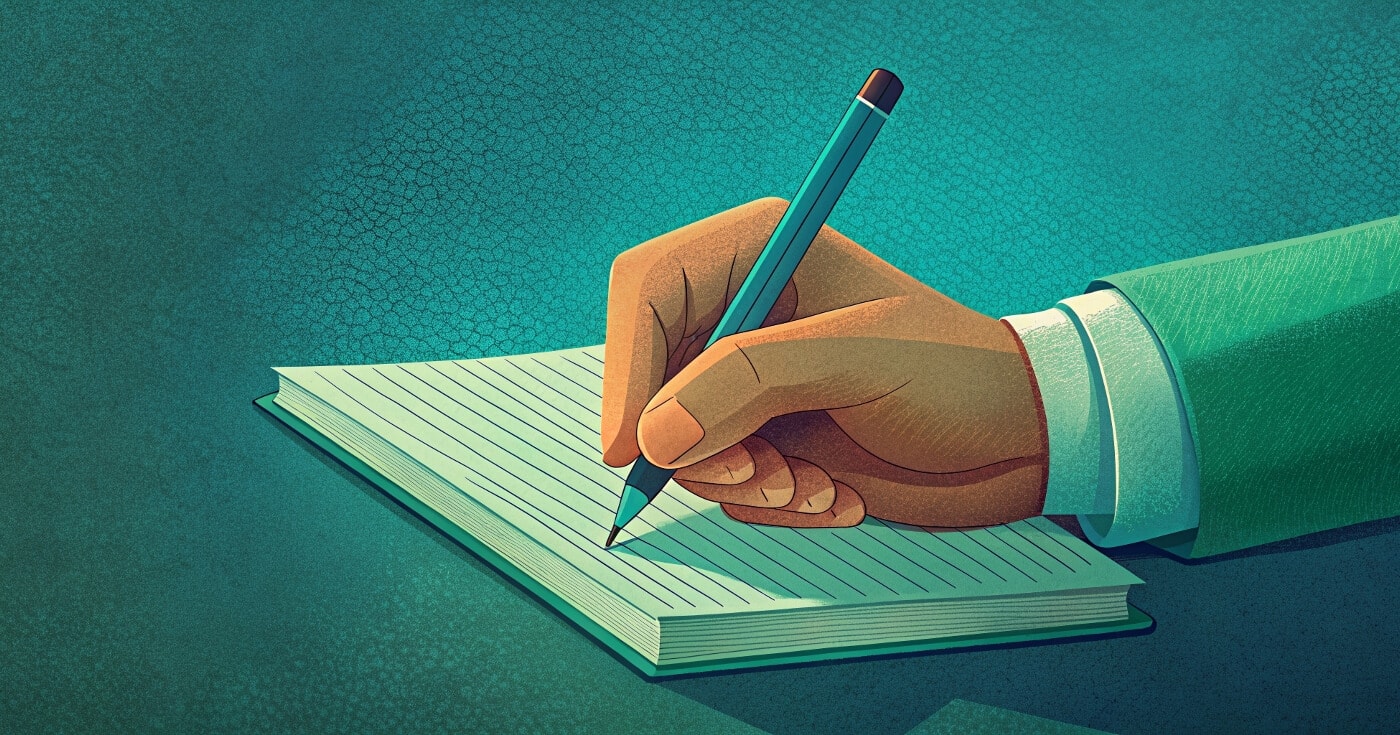
What Is a Trope in Writing (Definition, How To Write + Examples)
A trope is a frequently occurring phenomenon in writing or on screen, in characters as well as situations.

Read


Hi! I'm Tomas, a writer, founder and growth marketer from Lithuania, living in Spain. I'm always involved in multiple projects driven by my curiosity. I'm a partner at Craftled, building calm micro software and digital media businesses.
A trope is a frequently occurring phenomenon in writing or on screen, in characters as well as situations.

Syntax is the proper use of word order in a sentence. Change in syntax can change the meaning of the sentence.

Write a short 1-2 sentence description summarizing the post.

Stereotypes are concrete generalizations about human beings, literary characters, sexual orientation, and traits that have formed over time due to prejudice, assumptions, intolerance, and lack of proper knowledge.
Similes are direct comparisons in a language . It is done by using words like ‘like’ and ‘as’ in English language.

We often hear the phrase, “It was a rhetorical question.” But what is “rhetoric” anyway?

Premise is the essential base of a story, or the key point of the writing. It is that one sentence that can summarize everything that will happen in the text.
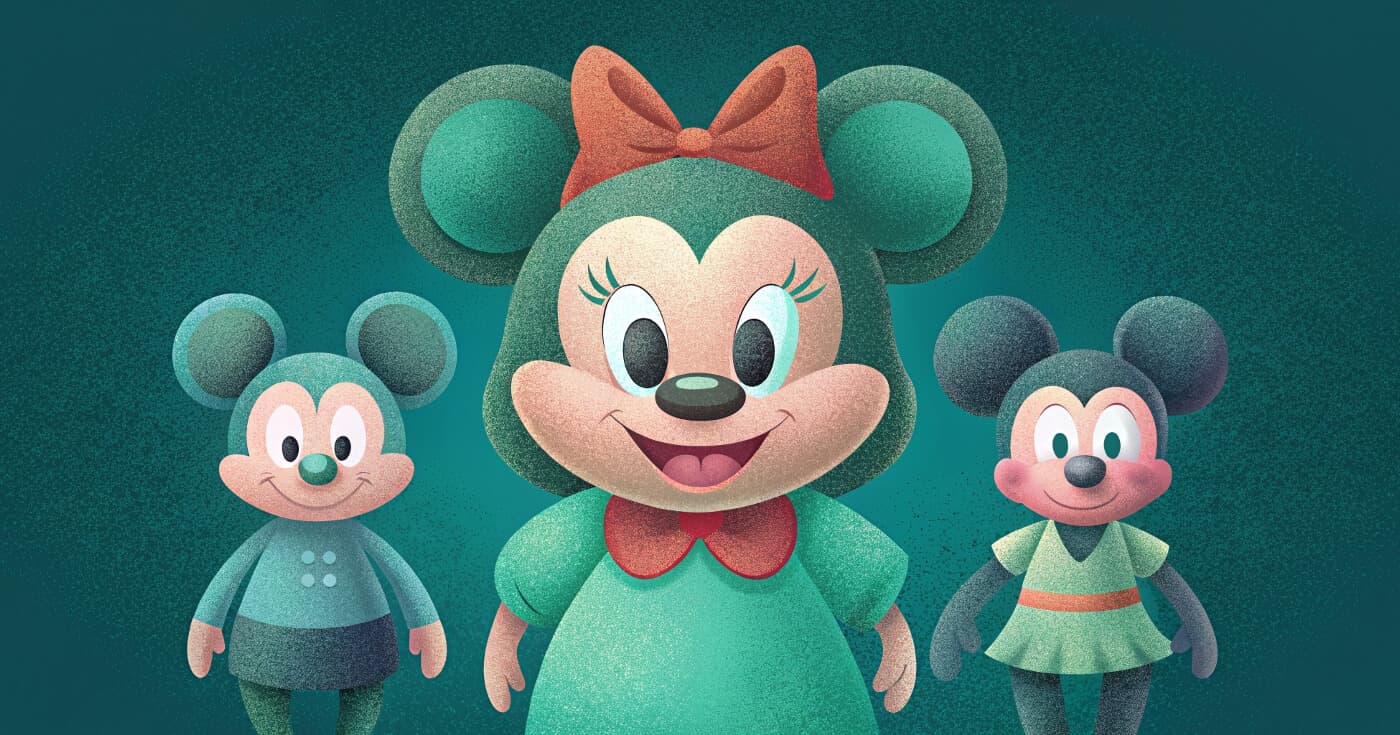
Personification is a literary device that gives human attributes to non-human things.

A paradox is a statement that is self contradictory in nature, but upon careful consideration, makes sense.

Oxymoron is a figure of speech which places two contrasting words beside each other to create a dramatic effect.

Onomatopoeia is a literary device which helps to define a sound.
The irony is expressing something contradictory to its literal meaning.