


What Is Alliteration? Definition, Examples & How to Use It
Alliteration is the repetition of the same sound at the start of nearby words. Learn the definition, types, famous examples, and how to use it in writing.
Updated 8 min read
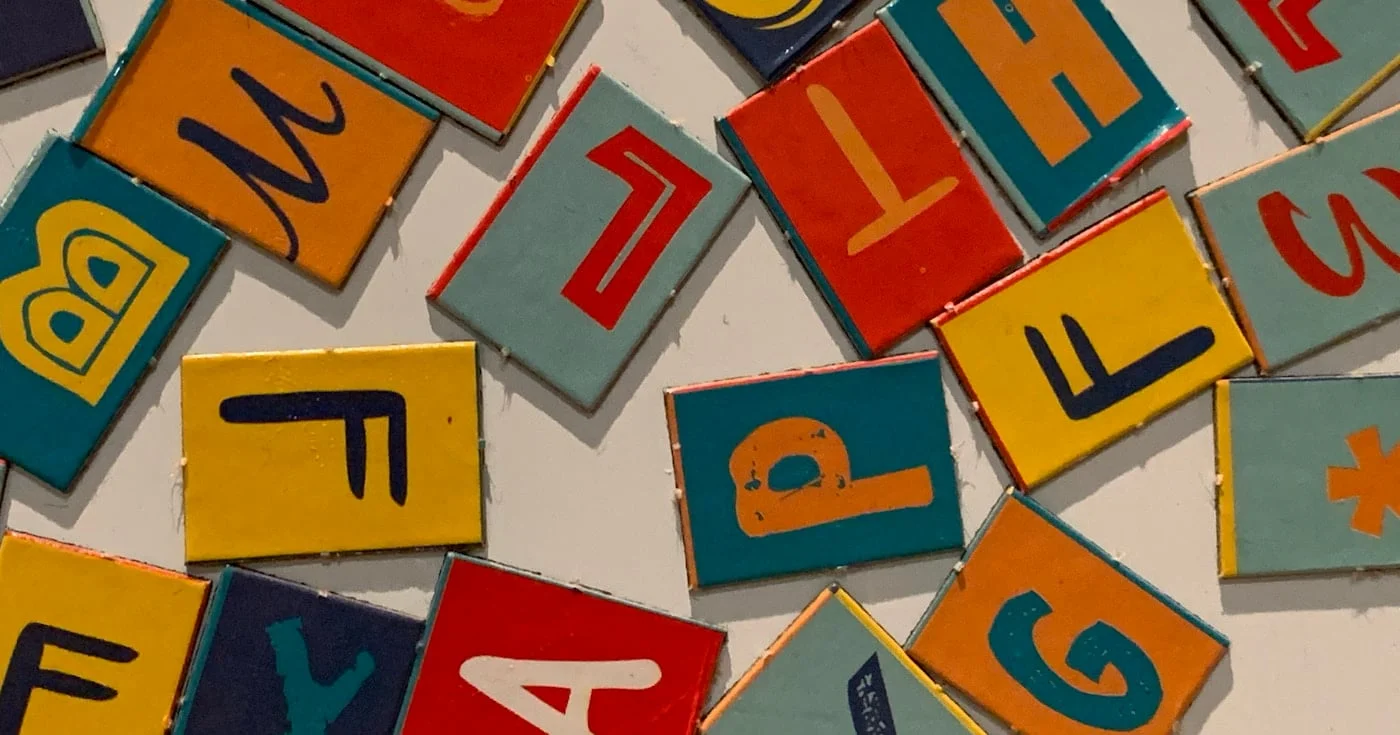

Alliteration is the repetition of the same sound at the start of nearby words. Learn the definition, types, famous examples, and how to use it in writing.
"Peter Piper picked a peck of pickled peppers." "Coca-Cola." "Dunkin' Donuts." "She sells seashells by the seashore." You've known alliteration since childhood, though you may not have had a name for it.
Alliteration is one of the most recognizable sound devices in writing, and one of the most widely used. Poets, novelists, advertisers, brand strategists, and headline writers all reach for it for the same reason: the repetition of sounds creates rhythm, memorability, and emphasis that prose without it simply cannot match.
In this guide, you will learn exactly what alliteration is, how it works, the different types, and how to use it effectively in your writing and creative work.
Alliteration is the repetition of the same sound at the start of a series of nearby words. Oregon State University's literary guide defines it as "the repetition of the same sound at the start of a series of words in succession whose purpose is to provide an audible pulse that gives a piece of writing a lulling, lyrical, and/or emotive effect."
LitCharts gives a precise technical definition: "Alliteration is a figure of speech in which the same sound repeats in a group of words, such as the 'b' sound in: 'Bob brought the box of bricks to the basement.' The repeating sound must occur either in the first letter of each word, or in the stressed syllables of those words."
The word "alliteration" comes from the Latin "littera," meaning "letter." But the device is more nuanced than just repeating letters.
Alliteration is about repeated sounds, not repeated letters. This distinction matters more than most people realize.
"Chemistry" and "kid" both start with the letter that looks different but the same /k/ sound, so "chemistry class" and "cool kid" both count as alliteration. Conversely, "car" and "century" both start with the letter "c" but make different sounds (/k/ vs. /s/), so they are not alliterative.
LitCharts states this rule clearly: "Alliteration is the repetition of sounds, not just letters."
A common misconception is that alliterative words must appear consecutively. They don't. "Peter picked a peck" is alliterative even though "a" appears between "picked" and "peck." What matters is that the repeated sounds occur close enough together that the reader or listener perceives the pattern.
Alliteration operates through the psychology of sound and rhythm. Repeated initial sounds create a sonic pattern that the brain registers, even when readers are processing content primarily for meaning.
Oregon State's guide describes the effect in terms of the body: "Alliteration here isn't just an ornamental characteristic of the prose. It also does something to you as a reader, making you sway, perhaps, as you read, making you feel some of the feelings that the fictional character is feeling by putting the language into your body."
This embodied quality of alliteration is why it appears so prominently in oral traditions, advertising, and children's literature. The sound pattern encodes meaning more deeply than purely semantic content.
Alliteration works through three primary mechanisms:
Repeated sounds create a forward pulse in prose and poetry. They give lines a momentum that carries readers through. MasterClass notes that in poetry, alliteration "injects focus, harmony, and rhythm."
Sound patterns aid memory. This is why advertising slogans, brand names, and idioms so often use alliteration. "Coca-Cola," "Dunkin' Donuts," "Krispy Kreme," and "PayPal" are all memorable partly because their repeated sounds make them easier to recall.
The sound quality of a repeated consonant carries emotional resonance. Hard consonants (b, p, t, k) create impact and urgency. Soft consonants (s, sh, f, wh) create softness, mystery, or melancholy. A writer who chooses alliterative sounds deliberately can shape the emotional register of a passage without stating the emotion directly.
Not all alliteration is created equal. Different types serve different purposes.
Type | Definition | Example |
|---|---|---|
General alliteration | Repetition of any consonant sound at the start of nearby words | "Peter Piper picked" |
Sibilance | Repetition of "s" or soft "sh" sounds | "She sells seashells" |
Consonance | Repetition of consonant sounds anywhere in words, not just at the start | "pitter-patter," "lean and mean" |
Vowel alliteration | Repetition of vowel sounds (more commonly called assonance) | "an awful anger" |
Bilateral alliteration | Two sets of alliterative sounds alternating | "Peter Piper picked / Pip's perfect peppers" |
Sibilance is the most frequently named subtype of alliteration. It involves the repetition of "s" or soft "sh" sounds. Scribbr identifies it as a particularly common device in poetry for creating a soft, flowing, sometimes ominous effect. Keats's line "The murmur of the bees in the shed" is sibilance. Milton's description of Satan often uses sibilance to create a sinister texture.
Consonance is a related but broader device: the repetition of consonant sounds anywhere within words (not just at the start). "The silken, sad, uncertain rustling of each purple curtain" (Poe) repeats the /s/ and /r/ sounds throughout the line, not only at the start. This is consonance. Alliteration specifically refers to the repetition of initial sounds.
Shakespeare used alliteration extensively throughout his plays and sonnets. In A Midsummer Night's Dream: "The course of true love never did run smooth." The repeated /r/ sound in "run" and "true" and the repeated /l/ in "love" and "never" create the musical quality of the line.
Poe constructed the poem around dense alliterative patterns. "And the silken, sad, uncertain rustling of each purple curtain" is a famous example. The repeated sibilance creates an atmosphere of unease and soft menace that serves the poem's gothic mood.
Oregon State's guide uses this Lahiri passage as an example of subtle, literary alliteration: "returning to an empty carpeted condominium… working his way methodically through the major composers." The gentle repetition of sounds creates a ruminative, melancholy quality in a character's interior thoughts.
"The fair breeze blew, the white foam flew, / The furrow followed free." The repeated /f/ and /b/ sounds create momentum and the sensation of movement through the water.
Alliteration is one of advertising's most reliable tools. MasterClass identifies it as one of the devices that makes brand names memorable. Examples: Coca-Cola, Dunkin' Donuts, Krispy Kreme, Best Buy, PayPal, TikTok, Krispy Kreme. The sound repetition makes them easier to say, easier to recall, and more distinctive.
Tongue twisters are pure alliteration at maximum density. "She sells seashells by the seashore" and "How much wood would a woodchuck chuck" are alliterative throughout. The difficulty of pronouncing them quickly is precisely because the repeated sounds require very precise articulation.
Device | Definition | Example |
|---|---|---|
Alliteration | Repeated initial consonant sounds in nearby words | "Peter Piper picked" |
Assonance | Repeated vowel sounds | "The rain in Spain" |
Consonance | Repeated consonant sounds anywhere in words | "pitter-patter," "slick trick" |
Sibilance | Repeated /s/ or /sh/ sounds specifically | "She sells seashells" |
Onomatopoeia | Words that sound like what they describe | "buzz," "crash," "murmur" |
Rhyme | Repeated sounds at the end of words or lines | "cat" / "hat" |
Alliteration is one of the oldest and most persistent sound devices in written and spoken language. From ancient oral poetry to modern advertising slogans, the repetition of initial sounds has been used for thousands of years to create rhythm, memorability, and emotional texture.
For writers, alliteration is most effective when it arises naturally from the vocabulary of the passage, when the sound quality of the repeated consonant reinforces the mood, and when it is used selectively enough that it draws attention to the moments that deserve emphasis.

Spot passive voice with the be-plus-participle test. Keep it for unknown actors, then rewrite only when the missing agent is the point of the sentence.
Epistolary fiction is told through letters, diaries, and found documents. Nested origins, seven examples, and where the form breaks.

Free verse is open-form poetry with no prescribed meter or rhyme scheme. The line, cadence, and sound do the work meter used to do.
Professional publishing supported by generous companies you should check out.


